
Tile Roofing in Mesa, Arizona: 2026 Pricing & Local Guide
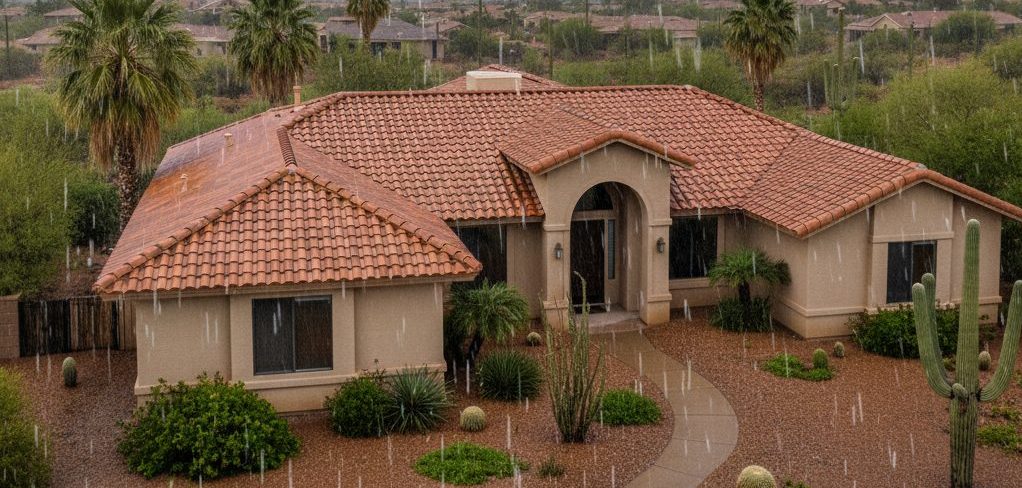
In Mesa and the surrounding East Valley, tile isn’t just an aesthetic choice—it’s the gold standard for survival in the Sonoran Desert. While the national averages provide a baseline, the Mesa roofing market has unique variables driven by extreme UV exposure, monsoon wind loads, and specific city building codes.
Average Mesa Roof Tile Pricing & Roof Costs (2026 Estimates)
For a typical 2,000-square-foot home in Mesa, homeowners should budget for the following ranges based on current local material and labor availability:
| Service Type | Estimated Cost (Per Sq. Ft.) | Total Range (2,000 Sq. Ft. Roof) |
| New Concrete Tile | $10 – $19 | $20,000 – $38,000 |
| New Clay/Terracotta | $15 – $28 | $30,000 – $56,000 |
| Tile “Lift & Reset” (R&R) | $8 – $12 | $16,000 – $24,000 |
| Underlayment Only | $3 – $6 | $6,000 – $12,000 |
The “Arizona Secret”: The Lift and Reset
One factor unique to Mesa is the Lift and Reset (or R&R). Because of our dry heat, the tiles themselves (clay or concrete) often outlive the waterproofing material underneath. In the desert, the underlayment typically “cooks” and becomes brittle after 20–25 years, while the tiles remain in great shape.
- The Benefit: Instead of buying a whole new roof, Mesa contractors can often remove your existing tiles, replace the failed underlayment with high-heat-rated synthetic layers, and then reinstall your original tiles. This can save you 30% to 40% compared to a full replacement.
Why Mesa Homeowners Choose Tile
- Heat Management: Mesa temperatures regularly exceed 110°F. Tile roofs provide a natural “thermal lag,” preventing heat from transferring into your attic as quickly as asphalt shingles do.
- Monsoon Resilience: Our summer “microbursts” can tear shingles off a roof in seconds. Heavy-weighted tile, when properly fastened to Mesa city code, offers superior resistance to 60+ mph winds.
- HOA Requirements: Many prominent Mesa communities—such as Las Sendas, Mulberry, and Dobson Ranch—have strict architectural guidelines that mandate tile to maintain neighborhood property values.
Local Permitting & Regulations
The City of Mesa Building Safety Department requires a permit for all re-roofing projects. A professional contractor will include this in your quote, which typically includes an inspection to ensure the “head-lap” (the overlap of the tiles) and the “bird-stop” (the eave closures) are installed correctly to prevent pest intrusion and wind lift.
This checklist is designed specifically for Mesa, Arizona homeowners. In the Valley, the extreme heat and UV rays are your roof’s primary enemies, so your vetting process should focus on “High-Heat” durability and local legal compliance.
Use these questions when interviewing contractors for a tile roof project (whether a full replacement or a “Lift and Reset”).
1. The “Arizona Legal” Requirements
In Arizona, the Registrar of Contractors (ROC) is the ultimate authority. Do not hire anyone who cannot pass this section.
- “What is your ROC license number?” * Mesa Action: Go to roc.az.gov and verify the license is active. Ensure the classification is for roofing (typically CR-42 or R-42).
- “Is your bond current and do you carry Workers’ Comp?”
- Why: Unlicensed “handymen” often lack insurance. If they fall off your roof in a Mesa summer, you could be liable for their medical expenses.
- “Will you handle the City of Mesa permit and the final inspection?”
- Why: A pro pulls the permit themselves. If they ask you to pull a “homeowner’s permit,” it often means they aren’t properly licensed or insured.
2. Climate & Material Specifics
Mesa’s heat “cooks” standard roofing materials. These questions ensure your roof lasts 30+ years, not 10.
- “What underlayment are you using, and what is its ‘High-Heat’ rating?”
- Look for: Synthetic or SBS Modified Bitumen (rubberized asphalt). Avoid standard organic felt; it becomes brittle and cracks in the Sonoran desert heat.
- “Do you install a ‘Double Layer’ of underlayment?”
- Why: A double layer (especially in valleys and near the eaves) is the gold standard in Mesa for protecting against monsoon-driven rain.
- “How do you handle ‘Bird-Stops’ at the eaves?”
- Why: Pests (pigeons and bats) love the gaps under tile roofs in Mesa. Ensure they are installing eave closures to keep your roof from becoming a nesting ground.
3. The “Mesa Neighborhood” Logistics
- “Are you familiar with the HOA guidelines for my community?”
- Why: If you live in Las Sendas, Eastmark, or Red Mountain Ranch, your HOA likely has strict “Approved Color Palettes” for tiles. An experienced local contractor will often already have these lists.
- “How do you protect my AC unit and pool during the project?”
- Why: Roof debris and dust can clog your exterior AC condensers or ruin pool filters. A good Mesa roofer will cover your unit and pool equipment while they work.
- “What is your ‘Monsoon Plan’ if it rains mid-project?”
- Why: If you’re having work done in July or August, your roof must be “buttoned down” every evening to survive a sudden 4:00 PM dust storm or microburst.
4. Financial “Red Flag” Checks
- “How much of a down payment do you require?”
- Red Flag: Arizona law generally limits a contractor’s down payment to 50% of the total project cost. If they ask for 100% upfront, walk away.
- “Does your quote include the ‘Tear-Off’ and debris disposal?”
- Why: Tile is incredibly heavy (and expensive to dump at the Salt River Landfill). Ensure the dumpster fees and removal are clearly listed.
Pro-Tip for Mesa Residents:
Ask about “Low-E” or “Radiant Barrier” underlayment. In Mesa’s 115°F summers, a radiant barrier under your tile can reduce attic temperatures by up to 20–30 degrees, significantly lowering your SRP or Mesa Electric bill.
Tile Roofs
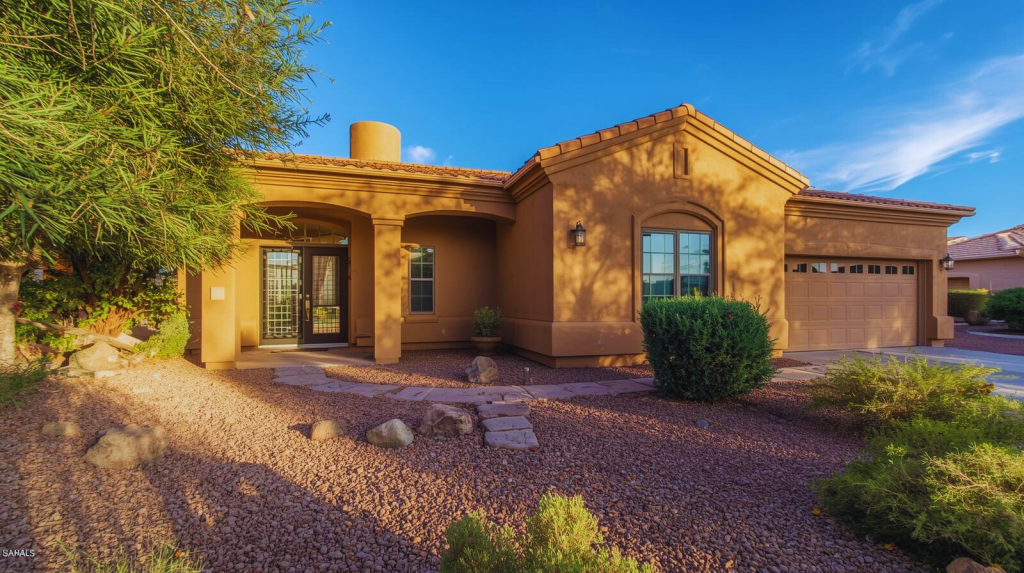
A beautiful, durable tile roof adds significant curb appeal and long-term value to a home. When it comes to budgeting, however, the numbers can seem overwhelming. This guide is designed to clarify roof tile pricing with a detailed breakdown of all the costs involved, whether you’re building a new home or planning a replacement. Tile roofing is a major investment, prized for its incredible longevity, stylistic versatility, and resilience.
The final price tag, however, is not a single number. It varies widely based on the tile material, the complexity of your roof, your location, and other factors. By the end of this article, you will have a solid understanding of what to expect and how to plan for your project.
What Are Roof Tiles and Why Choose Them?
When homeowners think of premium roofing, tile is often the first material that comes to mind. Unlike asphalt shingles, which are typically made from fiberglass and asphalt, roof tiles are hard, molded units made from durable materials like clay or concrete. They offer a three-dimensional texture and an architectural character that is hard to match. The term “tile roof shingles price” can be confusing, but it generally refers to the cost of these individual tile units. While they function like shingles by overlapping to shed water, their composition and benefits put them in a class of their own.
Exploring Common Types of Roof Tiles
Your choice of material is the single biggest factor in determining your roof’s overall cost and appearance. Each type has a unique set of characteristics.
- Concrete Tiles: A highly popular and versatile choice, concrete tiles are made from a mixture of sand, cement, and water that is molded under high pressure. They are exceptionally durable and can be manufactured to mimic the look of more expensive materials like clay, wood shake, or slate. Their main advantage is affordability, offering the longevity and resilience of tile at a more accessible price. They come in various profiles, including traditional S-shaped “Spanish” tiles, modern flat tiles, and low-profile shake styles.
- Clay Tiles (Terracotta): For a timeless, classic look, nothing beats natural clay tiles. Often associated with Spanish, Mediterranean, or Southwestern architecture, these tiles are known for their natural, earthy red-orange “terracotta” color. They are fired in a kiln, which makes them incredibly dense and long-lasting. While they come at a premium price, their aesthetic value and proven longevity—often lasting over a century—make them a desirable choice. Common styles include the rounded Spanish and Mission tiles or the flatter French tile profile.
- Slate Tiles: At the highest end of the roofing spectrum is slate, a natural stone that is hand-split into thin tiles. Slate offers unmatched durability, with a potential lifespan of 150 years or more. It is completely fireproof, waterproof, and provides a sophisticated, elegant look. However, its extreme weight often requires structural reinforcement, and the cost of the material and specialized installation labor make it the most expensive roofing option on the market.
- Synthetic/Composite Tiles: A growing category in the market, synthetic tiles are engineered from materials like recycled plastics, rubber, and polymer blends. They are designed to replicate the appearance of natural slate or clay tiles but at a fraction of the weight and cost. This makes them an excellent option for homes that cannot support the heavy load of traditional tile, offering a durable, lightweight, and often more affordable alternative.
Key Advantages of Tile Roofing
Why do homeowners choose tile despite the higher upfront cost? The benefits speak for themselves.
- Exceptional Durability and Lifespan: A well-installed tile roof is a “lifetime” roof. Concrete tiles can easily last 50 years, while clay and slate can endure for 100 years or more, often outlasting the homes they protect.
- Energy Efficiency: The dense material of tiles and the air space created underneath them help insulate the attic from extreme heat and cold. This natural ventilation can significantly reduce heating and cooling costs over the life of the roof.
- Fire Resistance: Concrete, clay, and slate tiles are all non-combustible and carry a Class A fire rating—the highest possible. This provides superior protection for your home and can even lead to discounts on homeowner’s insurance.
- Aesthetic Appeal: With a vast array of styles, colors, and profiles available, tile roofing can complement any architectural design, from historic to contemporary, dramatically enhancing a home’s curb appeal.
- Low Maintenance: Tile roofs require very little upkeep. They don’t rot or decay, and damage from severe impacts is usually limited to individual tiles, which can often be replaced one by one.
How Much Does a New Tile Roof Cost?
Determining the cost of a new tile roof involves more than just the price of the tiles. The total expense is a combination of materials, specialized labor, and other project-specific fees. Understanding these components will help you interpret quotes and budget effectively. The most common pricing metric is per square foot, which covers the full scope of the installation.
Understanding the Average Cost Per Square Foot
The tile roof cost per square foot is a comprehensive figure that includes the tiles, underlayment, flashing, fasteners, and all labor required for a new installation. While prices fluctuate based on location and market conditions, you can use these general ranges for initial budgeting:
- Concrete Tile Roof: Expect to pay between $10 and $20 per square foot installed. This is the most common and budget-friendly tile option.
- Clay Tile Roof: The cost for a new clay tile roof typically ranges from $15 to $30 per square foot installed, reflecting its premium quality and appearance.
- Slate Tile Roof: As a luxury material, slate can cost anywhere from $25 to $50+ per square foot installed.
Breaking Down the Installation Expenses
Several key elements contribute to the final bill for a new tile roof installation.
- Material Costs: This is the most significant portion of the budget. It includes not only the tiles but also essential supporting materials. A high-quality synthetic underlayment, which provides a critical secondary water barrier, is crucial for a long-lasting tile system. Other materials include metal flashing for valleys and roof penetrations, fasteners, and ridge caps.
- Labor Costs: Tile installation is a specialized trade. The weight of the materials and the precision required for proper layout make it more labor-intensive than installing asphalt shingles. Labor rates depend on your region, the complexity of your roof, and the crew’s experience. A reputable contractor with a proven track record in tile roofing is a worthwhile investment.
- Permits and Inspections: Most cities and counties require a building permit for a new roof installation. The cost of the permit and any required inspections are typically included in your contractor’s quote.
- Structural Reinforcement (If Needed): Concrete and clay tiles are heavy. A standard concrete tile roof can weigh between 800 and 1,100 pounds per square (100 sq ft). While most modern homes are framed to support this weight, older structures may need an assessment by a structural engineer and potential reinforcement, which would add to the overall cost.
Example Cost Calculation for a New Tile Roof
Let’s consider a hypothetical 2,000-square-foot roof on a single-story home with a moderate pitch.
- New Concrete Tile Roof: At an average of $15 per square foot, the total estimated cost would be $30,000. This could range from $20,000 on the low end to $40,000 for a high-end profile with a complex installation.
- New Clay Tile Roof: Using an average of $22 per square foot, the total estimated cost would be $44,000. The typical range for this project would be between $30,000 and $60,000, depending on the specific tile style and project complexity.
Decoding Tile Roof Replacement Costs
The roof tile replacement cost is almost always higher than the cost of installing a tile roof on a new home. This is because a replacement project involves significant additional steps before the new tiles can be installed. Understanding these extra expenses is crucial for homeowners budgeting for a tiled roof replacement price.
Key Differences Between New Installation and Replacement Costs
The primary difference is the extensive prep work required. A new installation starts with a clean, ready roof deck. A replacement, on the other hand, begins with demolition. Removing an old roof, especially a heavy tile one, is labor-intensive and creates a large amount of debris that must be properly disposed of. This “tear-off” phase adds significant labor and disposal fees to the total project cost.
Deconstructing Replacement Expenses
When you get a quote for a cost for tile roof replacement, it will include several items not present in a new-build estimate.
- Old Roof Removal and Disposal: This is a major expense. Workers must manually remove the old tiles, underlayment, and flashing. A 2,000 sq ft concrete tile roof can weigh over 10 tons. The labor to tear it off and the fees for dumpsters and landfill disposal contribute significantly to the replacing roof tile cost.
- Decking and Underlayment Assessment: Once the old roof is removed, the contractor will thoroughly inspect the underlying wood roof deck (sheathing). It’s common to find sections of rotted or damaged wood that must be replaced, especially around chimneys or in valleys. After repairs, a brand-new, high-quality underlayment is installed, which is a critical component for the longevity of your new tile system.
- New Tile Installation: This part of the process mirrors a new installation, including the material and labor costs for the tiles, flashing, and fasteners as detailed in the previous section.
- Addressing Structural Issues: A roof replacement can sometimes uncover hidden problems. For example, if the original framing has sagged over the years, it may need to be reinforced before the weight of new tiles can be added. This is a crucial step to ensure the long-term integrity of your home. The concrete tile roof replacement cost or cement tile roof replacement cost can be particularly affected here due to the material’s weight.
Case Study: How much does it cost to replace a tile roof on a 1,500 square foot house?
This is a very common question from homeowners. Let’s break down a detailed estimate for replacing an old roof with new concrete tiles on a 1,500 sq ft home.
- Tear-Off & Disposal: For a roof of this size, expect costs between $3,000 and $6,000, depending on roof complexity and local disposal fees.
- Decking Repair: Assuming about 10% of the decking needs replacement, this could add $500 to $1,500.
- New Materials & Installation: Using a mid-range average of $16 per square foot for a concrete tile replacement: 1,500 sq ft x $16/sq ft = $24,000.
- Total Estimated Cost: The average cost for tile roof replacement in this scenario would likely fall between $27,500 and $31,500. For premium clay tiles, this total could easily climb to $40,000 or more.
Key Factors Influencing Your Tile Roofing Project Budget
Why can two seemingly similar tile roofing projects have vastly different price tags? The final roof tiles price per square foot is a dynamic figure influenced by many variables. Understanding these factors will empower you to interpret quotes and make informed decisions about where to invest your budget.
- Roof Size and Complexity: This is the most straightforward factor. A larger roof requires more materials and labor, directly increasing the cost. However, complexity is just as important as size. A simple, low-pitched gable roof is far less expensive to tile than a steep, multi-faceted roof with numerous dormers, valleys, hips, and skylights. Each of these features requires intricate cuts, specialized flashing, and significantly more labor, driving up the overall cost.
- Choice of Tile Material and Quality: As we’ve discussed, costs range from affordable synthetic and concrete tiles to premium clay and luxury slate. But even within a single material type, quality and price vary. Different brands have different price points based on their reputation and manufacturing process. A standard-profile concrete tile will be less expensive than a premium flat profile designed to look like slate.
- Geographic Location and Local Labor Rates: The cost of doing business varies dramatically across the country. Labor rates in major metropolitan areas are typically much higher than in the Midwest or rural South. Local demand, the cost of living, and regional material availability all play a role. A roofer in San Diego will have a different cost structure than one in Omaha.
- Accessibility of the Roof: How easy is it for the crew to get to your roof? A single-story home with a large yard for staging materials and dumpsters is ideal. A three-story townhome with limited access, steep landscaping, or delicate gardens that need protection will require more setup, safety equipment, and time, increasing labor costs.
- Underlayment and Flashing Quality: Don’t skimp on what’s underneath the tiles. While standard felt paper is the minimum, upgrading to a high-performance synthetic underlayment and quality metal flashing adds to the upfront cost but is one of the best investments you can make. These components are your roof’s last line of defense against water and are essential for maximizing the system’s lifespan.
- Contractor Experience and Reputation: You will likely receive a range of quotes for your project. The lowest bid is often tempting, but it can be a red flag. Highly experienced, licensed, and insured tile roof repair & replacement contractors who specialize in tile roofing may charge more. This premium pays for their expertise, superior workmanship, investment in safety, and robust warranties, which provide peace of mind and protect your investment for decades.
Smart Strategies to Manage Tile Roofing Expenses
While a tile roof is a premium product, there are smart ways to manage the expense and ensure you get the best possible value. It’s not about cutting corners, but about making informed decisions that balance upfront costs with long-term performance. The average cost for tile roof replacement can be daunting, but a strategic approach can make the process much smoother.
- Obtain Multiple Detailed Quotes: This is the single most important step you can take. Contact at least three to five reputable, licensed, and insured roofing contractors with specific experience in tile. Ask for a detailed, itemized quote that breaks down the costs for tear-off, disposal, decking repairs, underlayment, tile type, labor, and warranties. This allows you to compare quotes accurately and identify any outliers.
- Understand Your Warranty Options: A great roof comes with two warranties: one for the materials from the manufacturer and one for the workmanship from the contractor. Tile manufacturers often offer 50-year or even limited lifetime warranties. Equally important is the contractor’s labor warranty, which should cover any installation errors for 5 to 10 years or more. A strong warranty can save you thousands on potential future repairs.
- Consider Long-Term Value Over Upfront Cost: It’s easy to get sticker shock from the initial cost for replacing roof tiles. However, it’s crucial to think in terms of lifetime cost. An asphalt shingle roof might be half the price, but you will likely have to replace it two or three times during the lifespan of a single tile roof. When you factor in the longevity, low maintenance, and energy savings of tile, its long-term value is often superior. Also, ask your insurance agent if a Class A fire-rated tile roof qualifies you for a premium discount.
- Explore Financing Options: A roof replacement is a major expense that many homeowners don’t have cash on hand to cover. Don’t let that stop you from protecting your home. Many contractors offer financing plans through third-party lenders. You can also explore options like a Home Equity Line of Credit (HELOC) or a personal loan from your bank.
- Regular Maintenance for Longevity: The best way to manage future roofing costs is to take care of the roof you have. While tile is low-maintenance, it’s not “no-maintenance.” Periodically have your roof inspected for cracked or slipped tiles, especially after a major storm. Keep your gutters clean to ensure proper water drainage and prevent water from backing up under the tiles. Addressing small issues promptly can prevent them from turning into large, expensive problems.
Ultimately, a tile roof is more than just a covering for your house; it’s a long-term investment in your property’s safety, efficiency, and beauty. By understanding the factors that influence cost and planning strategically, you can confidently navigate the process and secure a roof that will protect your home for generations to come.
Frequently Asked Questions About Tile Roofing Costs
- Q: Is a tile roof worth the investment? A: For most homeowners who plan to stay in their home long-term, yes. While the upfront cost is significantly higher than asphalt shingles, a tile roof’s lifespan is two to four times longer. When you factor in its superior durability, resistance to fire and wind, energy efficiency, and aesthetic value, the long-term return on investment is excellent. It is a “one and done” roofing solution for many homeowners.
- Q: How long do tile roofs typically last? A: Lifespan varies by material. A properly installed concrete tile roof can be expected to last 50 years or more. Natural clay tiles have a proven track record of lasting over 100 years. The underlayment beneath the tiles is often the component that needs replacement first, typically after 25-40 years, but the tiles themselves can often be salvaged and re-installed.
- Q: Do tile roofs require special maintenance? A: They are considered low-maintenance. The main tasks involve keeping gutters clean to prevent water backup and having the roof inspected every few years or after a severe weather event. The goal is to spot and replace any individual tiles that may have cracked or slipped to prevent water from reaching the underlayment.
- Q: Can I replace just a few broken tiles, or do I need a full replacement? A: In most cases, replacing individual tiles is possible and is the standard method for minor repairs. The biggest challenge can be finding an exact match for older tiles, as colors and profiles may be discontinued over time. If the damage is widespread or the underlayment has failed, a full replacement may be more cost-effective. A professional roofer can assess the situation and provide the best recommendation.
- Q: How does tile roof cost compare to asphalt shingles? A: A standard architectural asphalt shingle roof typically costs between $5 and $10 per square foot installed and needs to be replaced every 20-25 years. A concrete tile roof, at $10 to $20 per square foot, costs about twice as much upfront but lasts at least twice as long. Over a 50-year period, you would likely pay for two full shingle roof replacements, making the total lifetime cost of the two materials much more comparable than their initial prices suggest.
About Dwell Roof – Roofing Contractor in Mesa AZ
Based on an analysis of Dwell Roof (Mesa, AZ) and their standing within the Arizona Registrar of Contractors (ROC), they appear to be a highly reputable and qualified choice for roof work in the East Valley.
However, because they are a “Total Home Comfort” contractor rather than a roofing-only specialist, there are a few specific things you should verify regarding a tile project.
1. Legal & Licensing Check (The “Arizona Standard”)
- ROC License: They operate under ROC #355520 (registered as Dwell Construction LLC).
- Classification: They hold a KB-1 Dual Building Contractor license. This is actually a broader and more rigorous license than a standard roofing-only license; it allows them to handle both residential and commercial projects, including structural work, roofing, and general remodeling.
- Status: Their license is currently Active.
- Mesa Compliance: They explicitly state that they manage permits through the City of Mesa’s Accela e-Permitting system, which is a major green flag for local compliance.
2. Analysis of Tile Expertise
Dwell Roof’s marketing and specialized websites (like https://www.google.com/url?sa=E&source=gmail&q=shingleroofreplacementmesa.com) lean heavily toward asphalt shingles and solar efficiency. However, they are a “Full Restoration” company.
- Tile Capability: Through their leak repair division (roofleakrepairmesa.com), they explicitly list tile roof repair and underlayment replacement (the “Lift and Reset”) as core services.
- The “Desert” Factor: They emphasize high-temperature underlayments and energy-efficient solutions (like solar fans and attic insulation), which align with the Mesa checklist provided previously. This is crucial because standard materials will fail in Mesa’s 115°F+ summers.
3. Reputation & Reliability

- BBB Rating: They are BBB Accredited with an A+ rating.
- Customer Feedback: Recent reviews (2024–2025) are overwhelmingly positive, specifically praising their communication and transparency. Homeowners in Mesa neighborhoods like Las Sendas and Red Mountain Ranch have noted their professionalism.
- The “Jacob” Factor: Many reviews mention “Jacob” (the CEO, Jacob Weisman) being personally involved in inspections and ensuring honesty in quotes. This level of owner-oversight is rare in larger valley roofing “factories.”
4. Potential “Red Flags” or Considerations
- Shingle-Heavy Portfolio: Because a large portion of their business is shingle roof replacement and solar, you should ask for specific photos of tile “Lift and Reset” projects they have completed in the East Valley to ensure their crew is experienced in handling fragile clay or concrete tiles without excessive breakage.
- Bond Status: One public record search showed a “cancelled” bond from 2024, but their ROC status remains Active. This usually means they simply switched bond providers. Action Item: When you meet them, ask for a copy of their current Certificate of Insurance (COI) to ensure their bond and workers’ comp are active as of today.
The Verdict: Should you use them for Tile Repair?
Yes, they are a strong candidate, particularly if your goal is not just “fixing a leak” but improving your home’s overall energy efficiency (e.g., adding solar, better insulation, or a radiant barrier underlayment).
I recommend asking them these three specific “Tile” questions during the quote:
- “Since your site mentions shingles prominently, do you have a dedicated crew that specializes in tile ‘Lift and Resets’?”
- “What brand of high-heat underlayment (e.g., Boral TileSeal or Sharkskin) do you use for Mesa tile roofs?”
- “Can you provide a reference for a tile project you completed in a Mesa HOA community recently?”
