
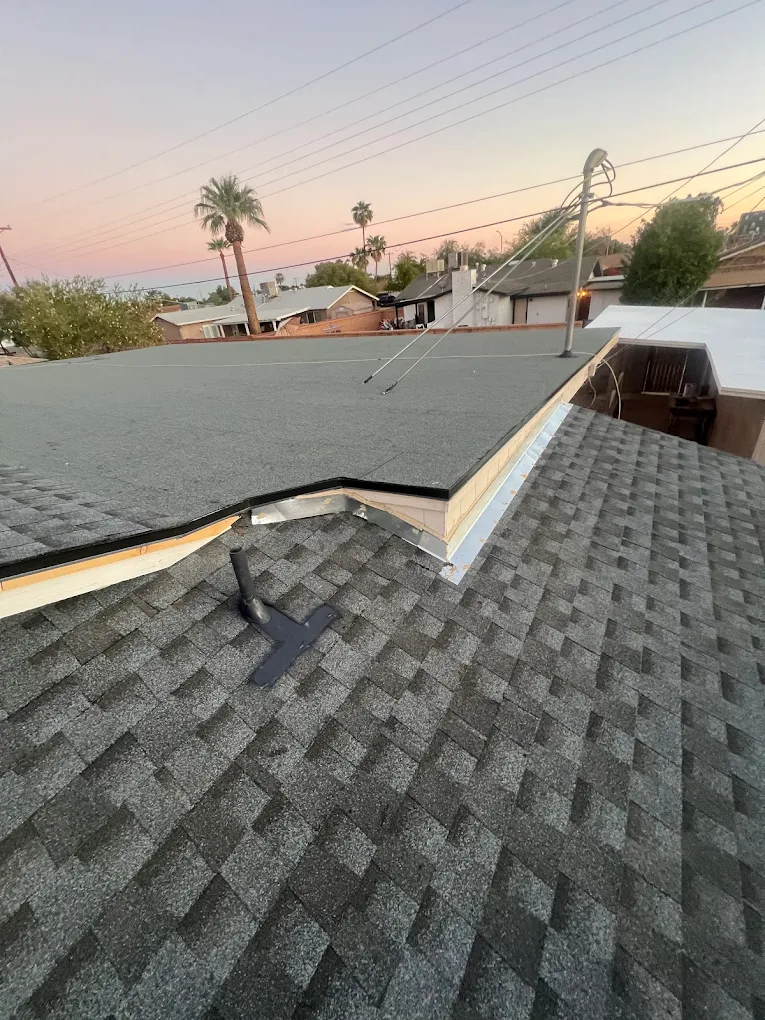
Tile roofs are popular across Mesa, AZ for good reason. They’re durable, energy-efficient, and built to withstand extreme heat. But here’s the reality many property owners don’t realize until damage is already done:
A tile roof leaking can occur, even if the tiles look fine.
Unlike asphalt shingles, roof tiles are not always the true waterproof barrier. In most tile roof systems, the waterproofing protection comes from the underlayment, flashing, and roof transitions. If any of those components fail, water can get into the structure below—sometimes for weeks or months—before it becomes obvious inside your home or building.
And in Mesa’s monsoon season, that type of hidden water intrusion can quickly lead to serious structural damage.
In this guide, we’ll explain how tile roof leaks start, what structural damage looks like, and what to do immediately if you suspect your Mesa property has a leak.
Why Tile Roof Leaks Are So Dangerous in Mesa, AZ
Tile roofs are designed to shed water efficiently, but Mesa’s climate creates unique conditions that can accelerate roof system failures, including:
- Extreme summer heat that breaks down sealants and underlayment faster over time
- Temperature swings causing expansion and contraction around penetrations and flashing
- Monsoon storms with wind-driven rain that force water uphill or under tiles
- Dust and debris buildup that interferes with drainage and roof ventilation
The biggest risk is that tile roofs often leak in a way that is hard to detect early. A tile roof can appear intact while water is traveling beneath the tiles and soaking into the layers that actually protect the structure.
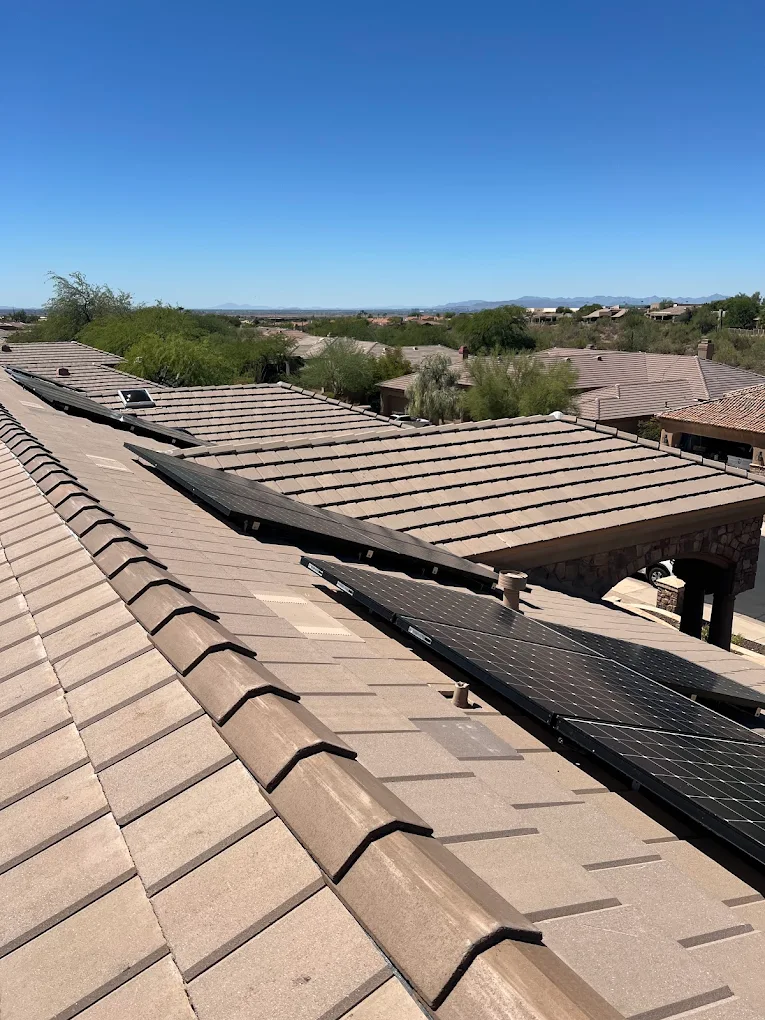
What Counts as Structural Damage from a Tile Roof Leak?
Not every roof leak causes structural damage immediately—but with tile roof leaks, the water can spread farther than expected before you notice it.
Here’s what structural damage can mean in practical terms.
Cosmetic Damage (Early Stage)
These are warning signs, but not necessarily structural failure:
- Water stains on ceilings
- Peeling paint
- Bubbling drywall texture
- Discolored or swollen trim
Material Deterioration (Mid Stage)
Water begins breaking down materials in the roofing system and interior, such as:
- Wet insulation in the attic
- Warped drywall
- Deteriorating roof decking
- Ceiling tile damage (commercial buildings)
Structural Damage (Most Serious Stage)
Structural damage means the components supporting the roof and interior space have been compromised, including:
- Soft or rotting roof decking
- Damaged rafters, joists, or trusses
- Warping or weakening support beams
- Ceiling sagging from trapped water weight
- Corrosion of fasteners and metal connectors
- Long-term moisture leading to wood decay
Tile roof leaks are especially likely to become structural because the leak often isn’t caught early.
How Tile Roof Leaks Cause Structural Damage (Step-by-Step)
Tile roofing systems are layered. When water gets past the tile surface, it can spread into areas that are difficult to inspect without experience.
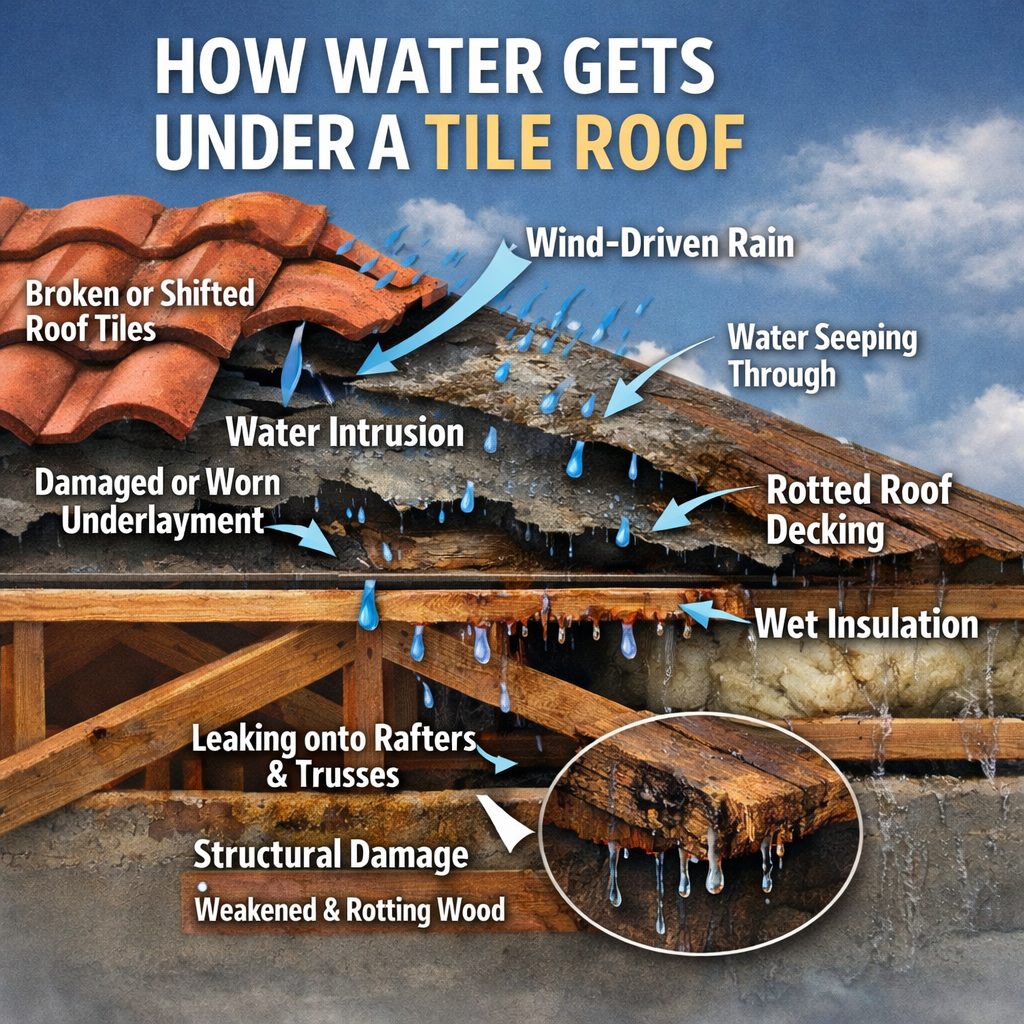
Here’s the typical chain reaction:
- Water gets under the tiles
- Wind-driven rain can push moisture into gaps
- Displaced or broken tiles create direct entry points
- Underlayment fails or becomes saturated
- Underlayment can crack or degrade due to heat exposure
- Once underlayment is compromised, it no longer protects the structure
- Water soaks roof decking
- Plywood or OSB decking absorbs moisture rapidly
- “Soft spots” can develop that weaken structural integrity
- Framing materials absorb water
- Rafters, joists, and truss members can swell, warp, and weaken
- Moisture trapped in wood can lead to decay and deterioration
- Damage spreads beyond the leak point
- Water travels along framing, nails, and insulation
- This can cause stains far away from the actual entry location
- Ceilings sag and collapse risk increases
- Wet insulation becomes heavy
- Trapped water above drywall can cause sagging or failure
Because many tile roof leaks spread before they become visible, the safest assumption is:
If you can see the damage, there’s often more you can’t see yet.
Structural Damage Warning Signs Inside a Property with a Tile Roof
Even if you never see active dripping, these interior signs are often the first clue that your tile roof is leaking.
Ceiling Warning Signs (Very Common)
Look for:
- Yellow or brown ceiling stains
- Cracks forming near ceiling corners
- Drywall that feels “soft” or swollen
- Bubbling paint or peeling texture
- A ceiling that appears to bow downward
Important: If any area looks like it’s sagging, don’t poke it or apply pressure. Water can pool above drywall and collapse unexpectedly.
Wall and Trim Indicators
Tile roof leaks can run behind walls, showing up as:
- Peeling paint near the top of walls
- Warped baseboards and trim separation
- Bubbling drywall seams
- Musty odor in rooms below rooflines
Doors and Framing Shifts
Moisture can cause swelling, warping, and misalignment:
- Doors suddenly sticking
- Window trim looking uneven
- Small gaps developing between molding and walls
Attic Signs (If Accessible)
If it’s safe to access your attic, check for:
- Damp insulation
- Dark staining on roof decking
- Mold spotting on rafters
- A musty odor that wasn’t there before
In commercial buildings with drop ceilings, these signs may appear as:
- Stained ceiling tiles
- Warped grid systems
- Drips around HVAC vents or light fixtures
Structural Damage Warning Signs Outside a Tile Roof Property
Tile roofs can hide problems, so it’s important to look for subtle exterior indicators as well.
Displaced, Cracked, or Missing Tiles
Even one broken tile can allow water into the underlayment system. Watch for:
- Tiles that appear shifted or uneven
- Cracked tiles (often from impact or foot traffic)
- Missing tiles after storms
Roofline Changes
Structural weakening can show up as:
- A dip or sagging appearance along the roofline
- Uneven planes where the roof should look straight
- Curved or bowed areas
Roofline sagging can indicate decking or framing damage and should be treated as urgent.
Flashing and Transition Failures (Major Leak Source)
The most common tile roof leaks are not always “in the middle of the field tiles.” They often occur at:
- Valleys
- Roof-to-wall transitions
- Chimneys
- Skylights
- Vents and roof penetrations
- Edge flashing and drip edges
If these areas fail, water can enter and run underneath the tile surface.
Fascia and Soffit Signs
Look at roof edges and eaves for:
- Peeling paint or staining
- Soft fascia boards
- Water tracks or dark streaks
- Dripping after storms
These are often evidence that water is reaching structural wood components.
Why A Tile Roof Leaking in Mesa Often Starts Under the Tiles
Many Mesa homeowners assume tile roofs don’t leak unless tiles break. In reality, tile roof leaks often happen because the waterproofing layer beneath the tiles fails.
Here are common Mesa-specific causes:
1. Underlayment Breakdown (Most Common)
Underlayment is exposed to extreme heat over many years. It can:
- Dry out
- Crack
- Become brittle
- Lose sealing capability around nail penetrations
2. Valley Problems
Valleys collect and channel water. When valley flashing fails, water can enter rapidly.
3. Flashing Failures Around Penetrations
Vents, skylights, and attic fans are frequent leak points. Even a small opening can cause significant intrusion.
4. Improper Repairs or Walking on Tile
Tile is fragile. Foot traffic can crack tiles and create hidden access points for water—especially when repairs are done without proper tile roof experience.
5. Monsoon Wind-Driven Rain
Mesa monsoons don’t just drop water straight down. Wind can push rain under tiles and into vulnerable transitions.
Structural Damage Risks for Homes vs. Commercial Properties with Tile Roofs
Tile roof leaks are serious for both property types, but the impact often shows up differently.
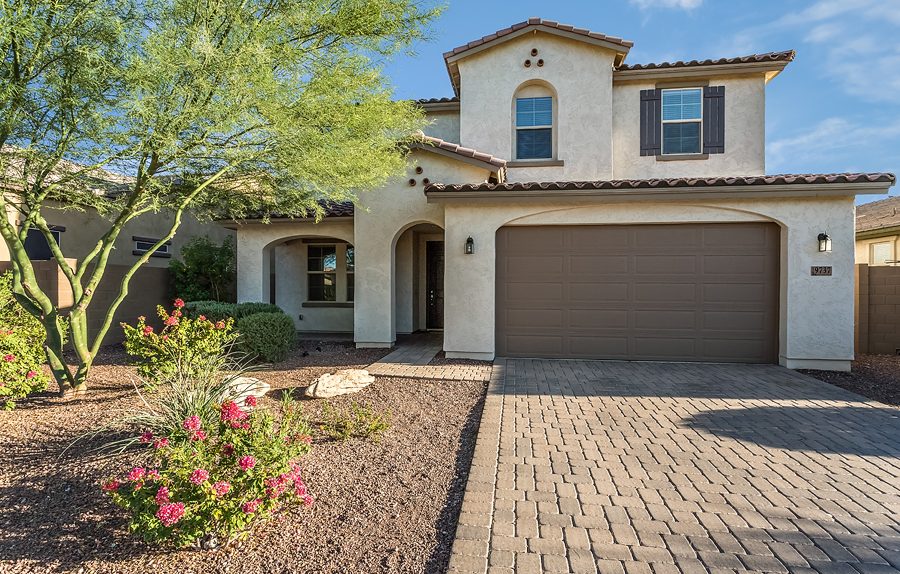
Tile Roof Structural Risks in Homes
In residential properties, structural damage may include:
- Attic framing damage (rafters, trusses)
- Saturated insulation and roof decking rot
- Ceiling collapse risk in living spaces
- Mold growth behind drywall and insulation
- Damage spreading from one leak into multiple rooms
Because tile roof leaks are often hidden, homeowners may only notice the issue once stains appear—meaning structural materials have already been exposed.
Tile Roof Structural Risks in Commercial Buildings
Commercial properties with tile roofing systems may face:
- Larger interior damage areas due to wide roof spans
- Drop ceiling collapse concerns
- Damage to tenant spaces and finishes
- Risk to electrical systems, IT equipment, and inventory
- Liability exposure (slip hazards, falling ceiling tiles)
For commercial buildings, even minor structural issues can cause major operational disruptions.

What To Do Immediately If Your Tile Roof Is Leaking
If you suspect a tile roof leak, fast action can prevent structural deterioration.
Immediate Steps
- Protect contents and equipment
- Move valuables, electronics, and inventory away from affected areas
- Contain water
- Use buckets and towels
- Cover furniture with plastic
- Avoid electrical hazards
- Shut off power to affected rooms if water is near outlets or fixtures
- Document everything
- Photos and video help with insurance claims
- Capture ceilings, walls, and any visible water entry points
- Call a professional
- A tile roof leak is rarely a “quick patch”
- You need leak tracing and moisture detection to find the true source
What Not to Do
- Don’t walk on a tile roof unless trained and equipped
- Don’t replace only the broken tile and assume it’s fixed
- Don’t ignore stains because they “dry out” afterward

When to Call a Structural Damage Professional in Mesa, AZ
You should contact a professional immediately if you notice:
- Ceiling sagging or soft drywall
- Multiple areas of staining
- Signs of mold or strong musty odors
- Visible warping in framing or trim
- Repeat leaks during storms
- Water intrusion near electrical components
- Any roofline sagging or unevenness
Professionals can evaluate not only where the leak is coming from, but also how far moisture has spread into structural areas like decking and framing.
Final Thoughts: Tile Roof Leaks Can Hide Structural Damage—Don’t Wait
Tile roofs are built to last, but the layers underneath them are what truly protect your Mesa property from water intrusion. When a tile roof leaks, it often leaks silently—spreading beneath the surface until it shows up as interior stains, sagging ceilings, or structural weakening.
If your tile roof is leaking in Mesa, AZ, the safest move is to act quickly:
Prevent structural repair costs from escalating
Identify warning signs early
Stop water intrusion before it spreads
Inspect underlayment, flashing, and decking
Concerned about a tile roof leak or structural damage in Mesa, AZ?
If you’re seeing stains, sagging drywall, cracked tiles, or signs of moisture inside your property, we can inspect the roof system and evaluate for hidden structural damage. Contact Dwell Roof today to schedule an assessment and prevent further deterioration.
Mesa, AZ Tile Roof Leak & Structural Damage FAQs
Why do tile roofs in Mesa leak even when the tiles look fine?
In Mesa, the tile itself often isn’t the waterproof barrier—the underlayment and flashing are. The extreme heat can cause underlayment to dry out and crack over time, allowing water to get into the roof system even when the tiles still look intact.
Is roof leaking more common in Mesa during monsoon season?
Yes. Mesa monsoon storms can bring wind-driven rain that pushes moisture under tiles and into roof transitions like valleys, vents, and wall connections. Even a small weak spot can become a leak quickly during a heavy storm.
What are the first interior signs of structural damage from a tile roof leak?
Some of the earliest warning signs Mesa property owners notice include:
Ceiling staining that spreads after each storm
Bubbling or soft drywall
Musty odors after humid weather
Hairline cracks near ceiling corners
If these signs appear, structural components above may already be getting saturated.
Can Mesa’s extreme heat make tile roof leaks worse over time?
Absolutely. Prolonged heat can break down roof materials by causing expansion and contraction, drying out sealants, and accelerating underlayment aging. Small vulnerabilities can grow into larger leak points over time.
What areas of a tile roof in Mesa leak the most often?
In Mesa, tile roof leaks most commonly occur around:
Valleys (where water collects and drains)
Flashing near vents and penetrations
Roof-to-wall transitions
Skylights and chimneys
Eaves and edge areas where debris builds up
If I only see one ceiling stain, does that mean the damage is limited to one spot?
Not always. With tile roofs, water can travel along the underlayment, decking, or framing before it becomes visible inside. That means the stain may not be directly under the entry point, and the affected area could be larger than it appears.
Are tile roof leaks different in older Mesa neighborhoods vs newer developments?
They can be. Older neighborhoods may have older underlayment systems and more wear over time, while newer developments may experience issues tied to installation details, flashing, or roof penetrations. In both cases, Mesa heat and monsoon storms create similar leak pressures.
Can tile roof leaks cause mold in Mesa homes, even with a dry climate?
Yes. Even in a dry climate, roof leaks can trap moisture in attic insulation, drywall, and framing—especially after storms. If moisture doesn’t dry properly, it can create conditions for mold growth, particularly in shaded attic areas and enclosed wall cavities.
What should Mesa business owners watch for in commercial spaces with tile roofs?
Commercial properties may show roof leak damage differently, such as:
Water-stained ceiling tiles
Drips near HVAC vents or light fixtures
Musty smells in office areas
Warped drywall near exterior walls
Even small leaks can become major disruptions if they affect tenant spaces, electrical areas, or equipment rooms.
How quickly can a tile roof leak cause structural damage?
It depends on the size of the leak and how often it happens, but repeated leaks during monsoon storms can lead to structural deterioration faster than many property owners expect—especially if water reaches the decking, rafters, or trusses.
Should Mesa property owners replace underlayment if the tile roof is leaking?
Often, yes—especially if the roof is older or the underlayment is brittle from heat exposure. A proper inspection can confirm whether the underlayment has failed in one area or needs broader replacement to prevent ongoing leaks and structural damage.
What’s the biggest mistake Mesa homeowners make when dealing with tile roof leaks?
One of the most common mistakes is replacing a broken tile or patching one area and assuming the issue is fixed. Tile leaks frequently originate at flashing or underlayment failures, which require a more complete diagnosis to prevent recurring leaks and hidden structural damage.